
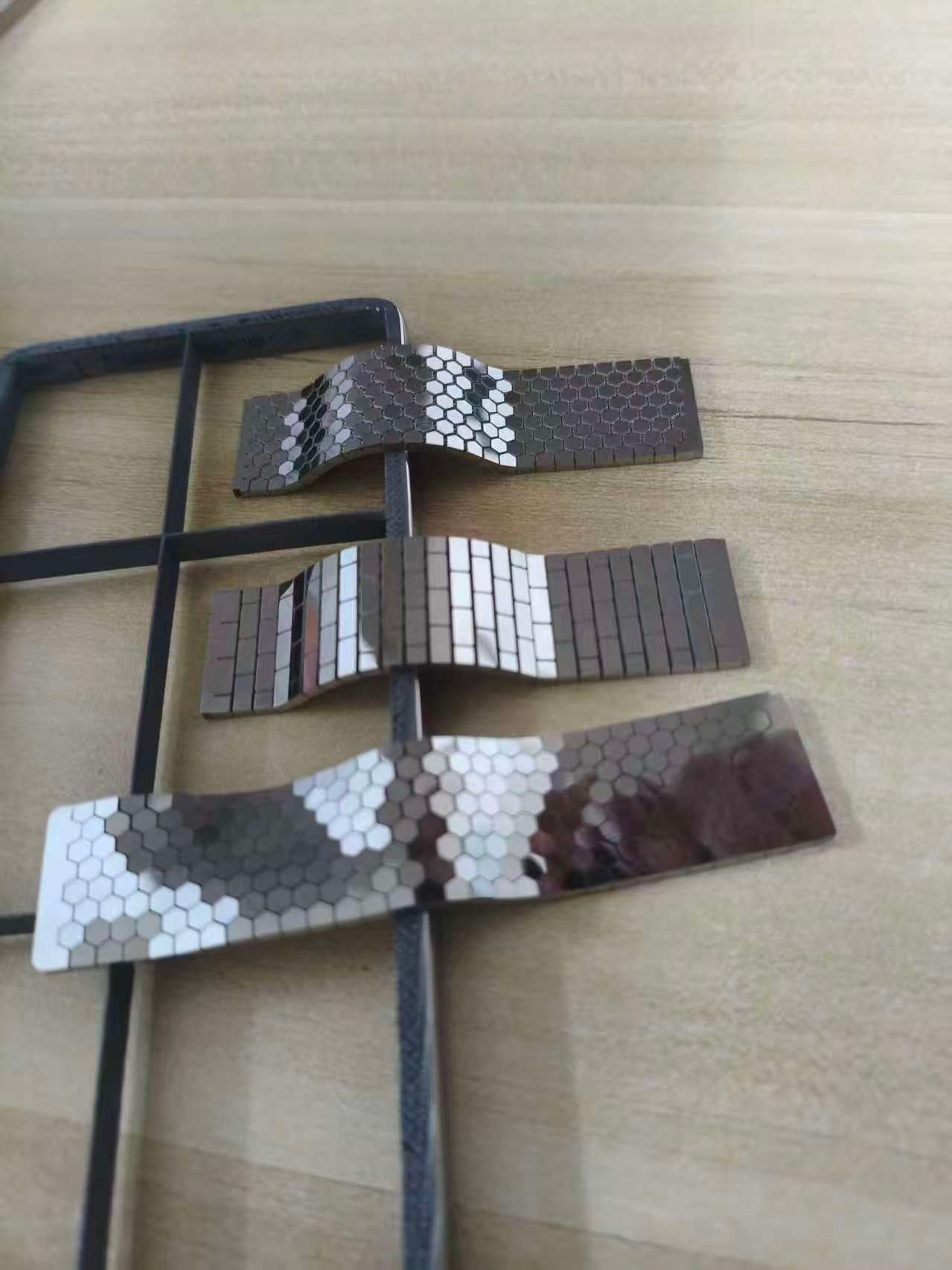
METAL 3D-PRINTED WEARABLES
Articulated metal structures for wearable products.
The photographed wearable is a titanium 3D-printed strap. Galaxy Star’s broader metal-additive route also supports aluminium, nickel-based and stainless-steel systems for functional components selected by weight, strength, corrosion and finishing requirements.
Articulated links and lightweight structures formed by additive manufacturing.
The titanium strap shown is a Galaxy Star manufacturing application. Product geometry and finishing remain project-specific.
3D-printed titanium smartwatch strap
Metal additive manufacturing forms continuous links and articulated structures while supporting lightweight geometry. Finishing is planned around appearance, touch and assembly requirements.
From articulated geometry to a wearable product.
Design for additive manufacturing
Link clearance, articulation, support strategy, build orientation and deformation are reviewed together before printing.
Post-processing
Support removal, surface refinement and appearance finishing are selected around contact surfaces, comfort and assembly requirements.
Beyond one wearable application.
Available material systems in company material specifications include titanium, aluminum, nickel alloys and stainless steels. Final selection depends on function, geometry, volume and qualification requirements.
Articulated wearable structures
Titanium watch straps are one proven application. The same design-for-additive approach supports articulated links, lightweight lattices and consolidated assemblies.
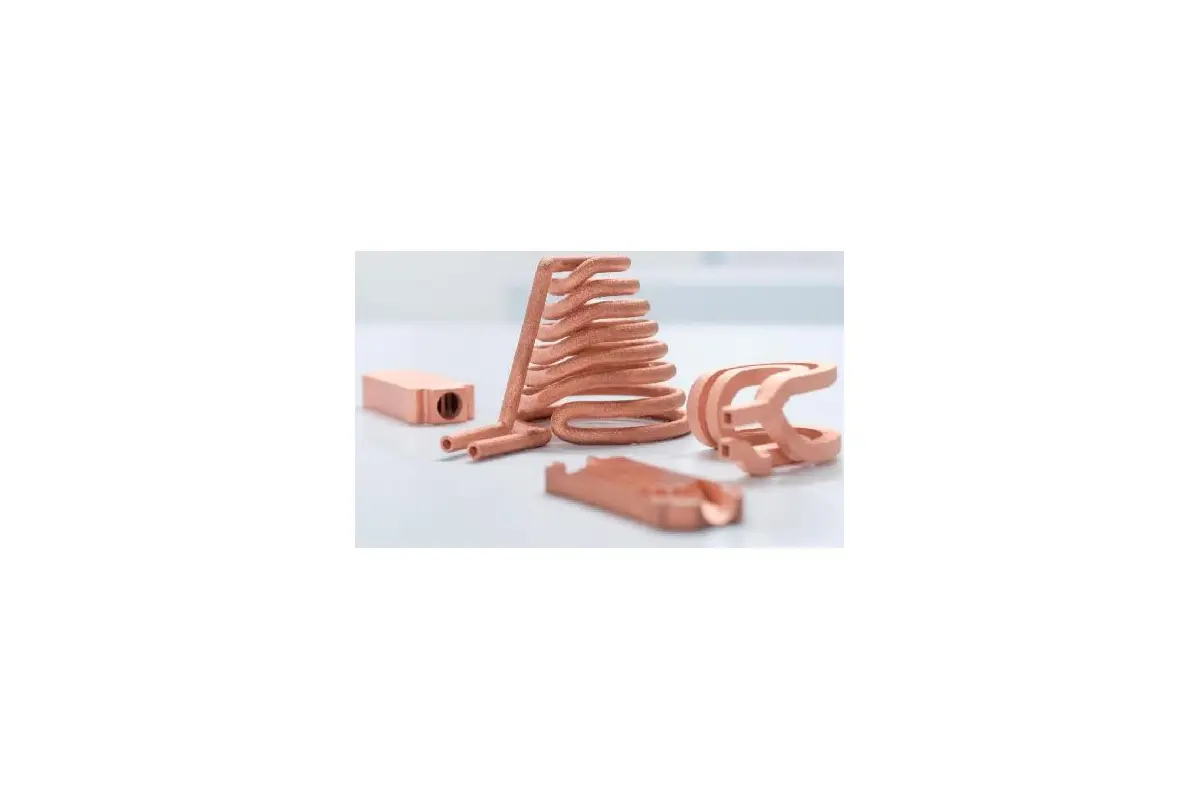
Heat exchangers and internal flow paths
Conformal channels and compact heat-transfer surfaces can be built into one component to reduce joints and improve thermal-flow integration.
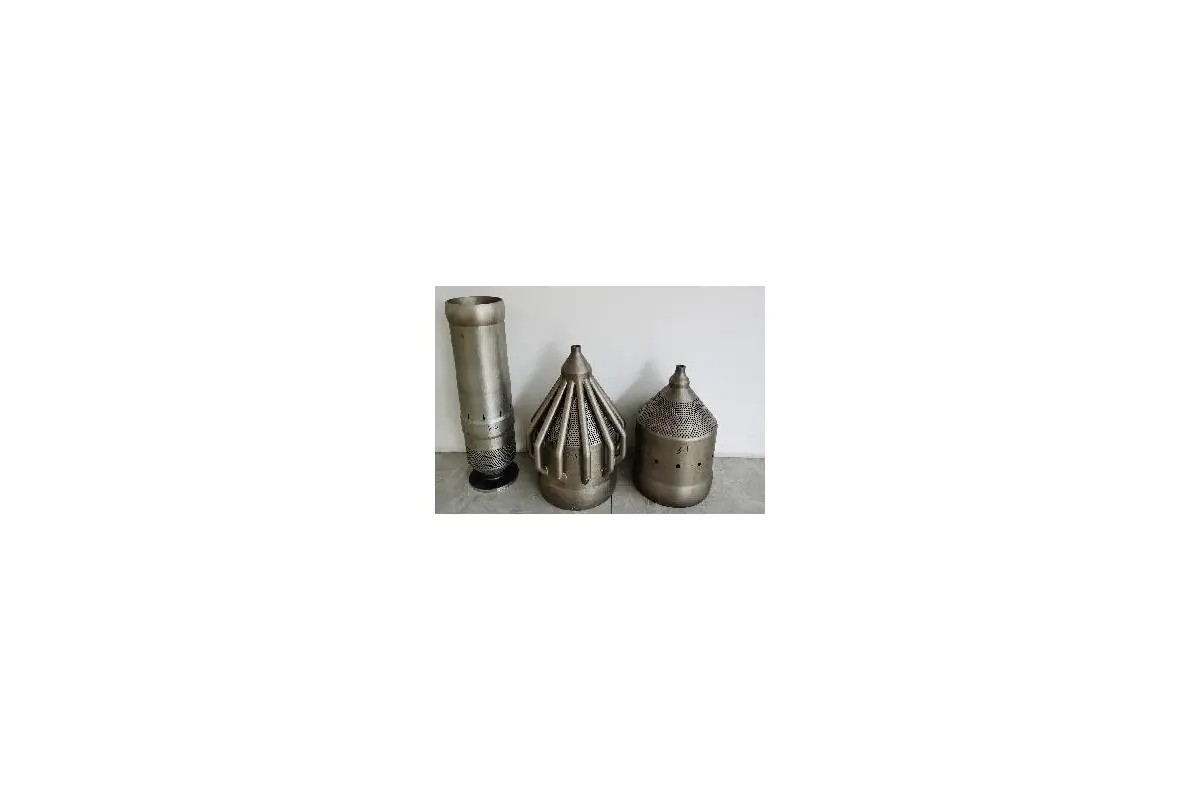
Integrated functional components
Complex manifolds, grippers and pneumatic or hydraulic passages can be consolidated to reduce part count and assembly interfaces.
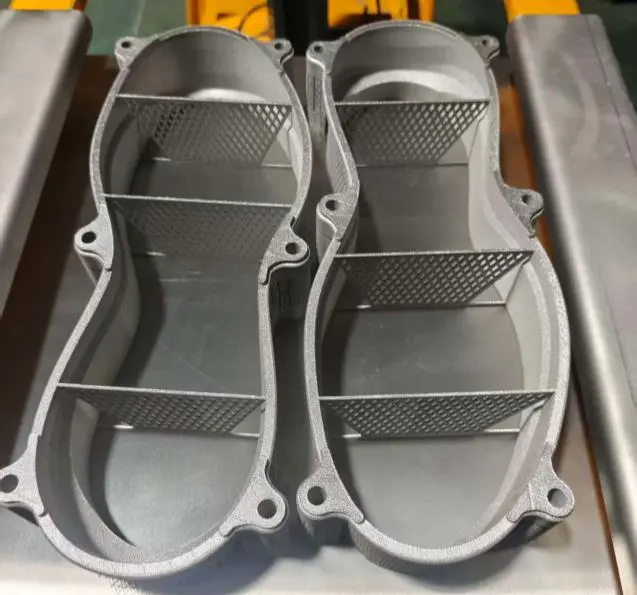
Metal additive shoe tooling
Honeycomb lightweighting, conformal channels and textured surfaces support shorter thermal cycles and more flexible tooling development.
Material and process decisions must be evaluated together.
Material systems
Verified systems include TC4 and TA15 titanium, AlSi10Mg aluminum, GH4169 and GH3536 nickel alloys, plus 316L, 304 and 18Ni300 steels.
Design for additive
Part consolidation, internal channels, lattice structures and movable mechanisms are assessed against build orientation and support strategy.
Post-processing
Heat treatment, wire cutting, CNC finishing, polishing and coating are planned around the final interface and appearance requirement.
Inspection & scale-up
Dimensional inspection, density and surface verification are connected to batch records before scale-up.
START A PROJECT
Let’s manufacture what comes next.
Share your design, application or manufacturing challenge.
Talk to our team↗